

Secondary Fiber Supplier
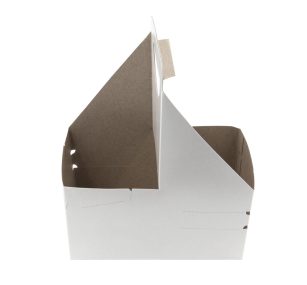
Secondary Fiber is an integral part of our business at The Paper Tigers. We deal in every grade of wastepaper and secondary fiber, providing essential materials for paper mills. Our particular specialties are bleached board grades such as SBS — both printed and unprinted — uncoated and poly-coated milk carton and aseptic packaging, uncoated and poly-coated cup stock, boxboard cuttings, and plate stock, serving as raw material for various applications. From rolls to bales, domestically and internationally, The Paper Tigers supports your production process for high-quality bleached pulp substitutes.
Request a Quote for Secondary Fiber
Grades We Process
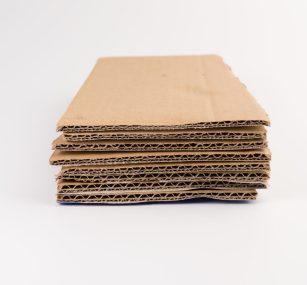
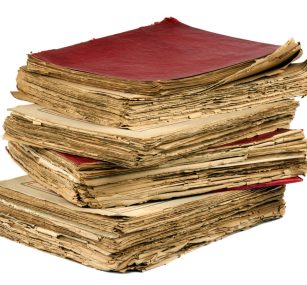
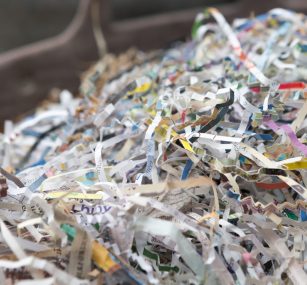
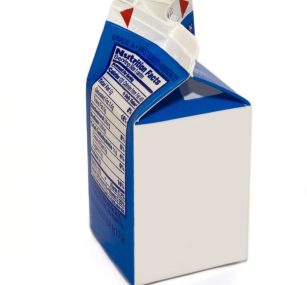
We process a wide range of grades of secondary fiber through our three recycling facilities. Below is a list of those grades and if you have any questions about our capabilities, please reach out and we will answer any questions you may have.








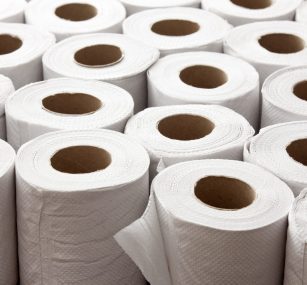
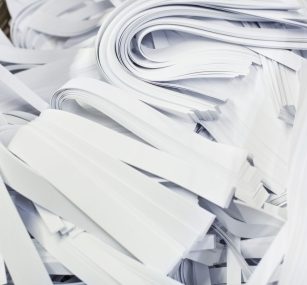
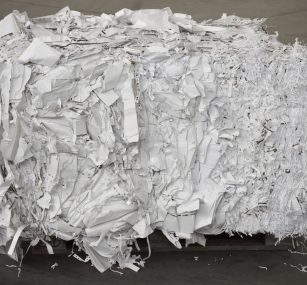
What Paper Mills Should Look for in Secondary Fiber
Paper mill procurement teams need more than the available material. They need a supplier that understands grade expectations, bale consistency, timing and how secondary fiber moves into the repulping process. The Paper Tigers works with paper mills and other buyers that need dependable access to wastepaper and secondary fiber grades in bale, roll and sheet form.
When evaluating suppliers, procurement teams should consider the grade offered, the form in which it is shipped, whether the material aligns with the mill’s pulping needs and whether the supplier can support repeat volume without causing unnecessary delays.
Quality and Specification Expectations
Each secondary fiber grade has different use cases and expectations. Printed SBS, Unprinted SBS, Hard White, Soft White, Printer’s Mix, Poly Cup, Poly Milk Carton and OCC do not all serve the same mill application. Review basis weight, surface type, coating, grade consistency, bale format and intended repulping use before committing to the material.
The Paper Tigers helps buyers talk through practical grade requirements to identify material that fits their production goals. Clear grade expectations up front help reduce confusion later in the buying process.
Sorting, Grade Separation, Contamination Controls and Bale Preparation
Strong secondary fiber programs depend on proper grade separation and contamination control. Procurement teams should ask how a supplier separates grades, handles mixed incoming material and prepares bales for shipment. These steps can affect how efficiently a mill receives, stores, evaluates and uses the material.
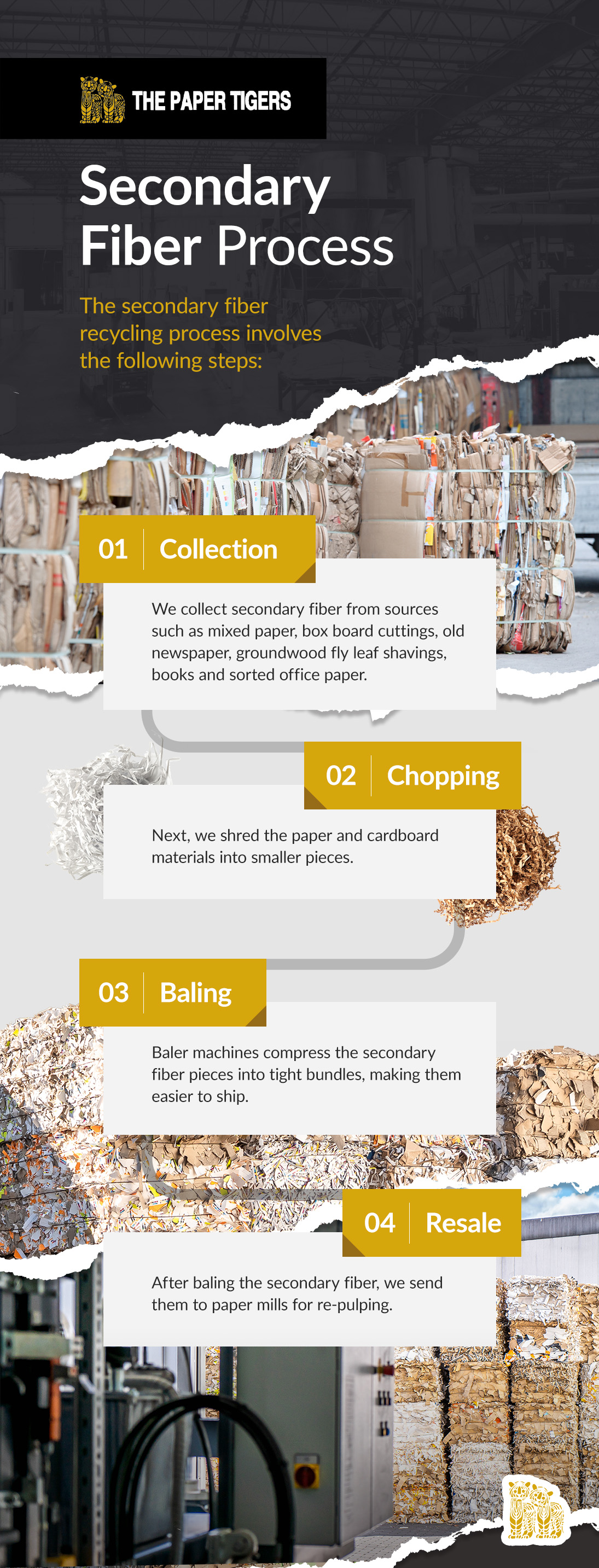
The Paper Tigers receives recyclable paper and paperboard, processes it through cutting and baling equipment and prepares it for shipment to paper mills and other buyers. This process helps turn loose or mixed incoming material into manageable bales that can be transported and reviewed more efficiently.
For mills, consistent bale preparation matters. Well-organized bales make it easier to plan receiving, storage and downstream use. That means fewer unknowns when comparing available grades.
Domestic and International Logistics
Secondary fiber buying often depends on timing and transportation. The Paper Tigers supports the domestic and international movement of material, helping customers evaluate volume, shipping format and delivery expectations. Some buyers need recurring volume for mill operations, while others may need specific grades when availability aligns with production demand.
Minimum volumes can vary by grade, form and shipping requirements. The best next step is to speak with the team about the grade you need, your target volume and your delivery location.
Frequently Asked Questions About Secondary Fibers
Businesses considering secondary fiber recycling often have a few questions before getting started.
What types of secondary fibers does The Paper Tigers accept?
The Paper Tigers accept nearly every grade of wastepaper and secondary fiber running through your operation. Books, corrugated boxes and retail packaging scraps come through our doors on a regular basis, alongside unsold inventory from printers. Waste haulers also drop off recycling loads, giving that material a second stop before it heads to a mill. Each load gets sorted, chopped and baled into raw pulp material for papermaking.
What are common secondary fiber grades?
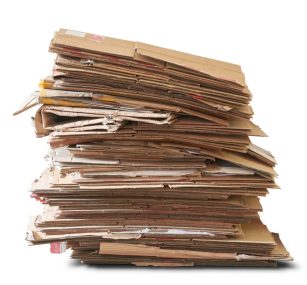
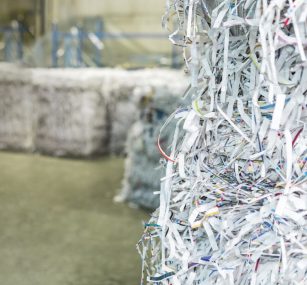
The common secondary fiber grades include mixed paper, hard white paper and printers mix. They make up the bulk of what moves through our hoggers and balers. SBS board, printed or unprinted, rounds out our bleached grade offerings alongside poly-coated cup stock and milk carton scrap. Old corrugated containers (OCC) and old newspapers complete the lineup. Grading each load correctly helps pulp mills get the recovered fiber consistency their process needs.
Is there a minimum volume for secondary fiber pickup or recycling services?
The minimum volume requirements depend on your facility and the type of secondary fiber you generate. We work with large-scale operations like big box retailers and waste haulers, along with smaller businesses producing steady streams of recyclable paper. Our team reviews your specific waste output and builds a pickup plan around your real numbers. Reach out to us today to find the right fit for your facility.
How do I request a quote or schedule secondary fiber pickup?
You can request a quote or schedule a pickup by reaching out through our online contact form or by phone. Our team reviews your material type and volume to put together pricing that fits your operation. Once everything is confirmed, we coordinate pickup timing around your schedule, whether you need regular service or a one-time haul. Call us at 224-651-8849 to start the process today.
Grade-by-Grade Applications for Paper Mills
Different grades support different mill applications. Bleached board grades, such as Printed SBS and Unprinted SBS, may be valuable for bleached-pulp substitute applications. Poly Cup and Poly Milk Carton grades may support mills equipped to handle poly-coated material. OCC, DLK, ONP and Mixed Paper are used across broader recovered fiber markets, depending on mill capabilities and end-product requirements.
If your team is comparing secondary fiber suppliers, The Paper Tigers can help you review available grades and determine whether a current material stream fits your mill’s needs. Contact The Paper Tigers or call 224-651-8849 to discuss availability.

Learn More About Our Secondary Fiber Division
Contact Us Today!