

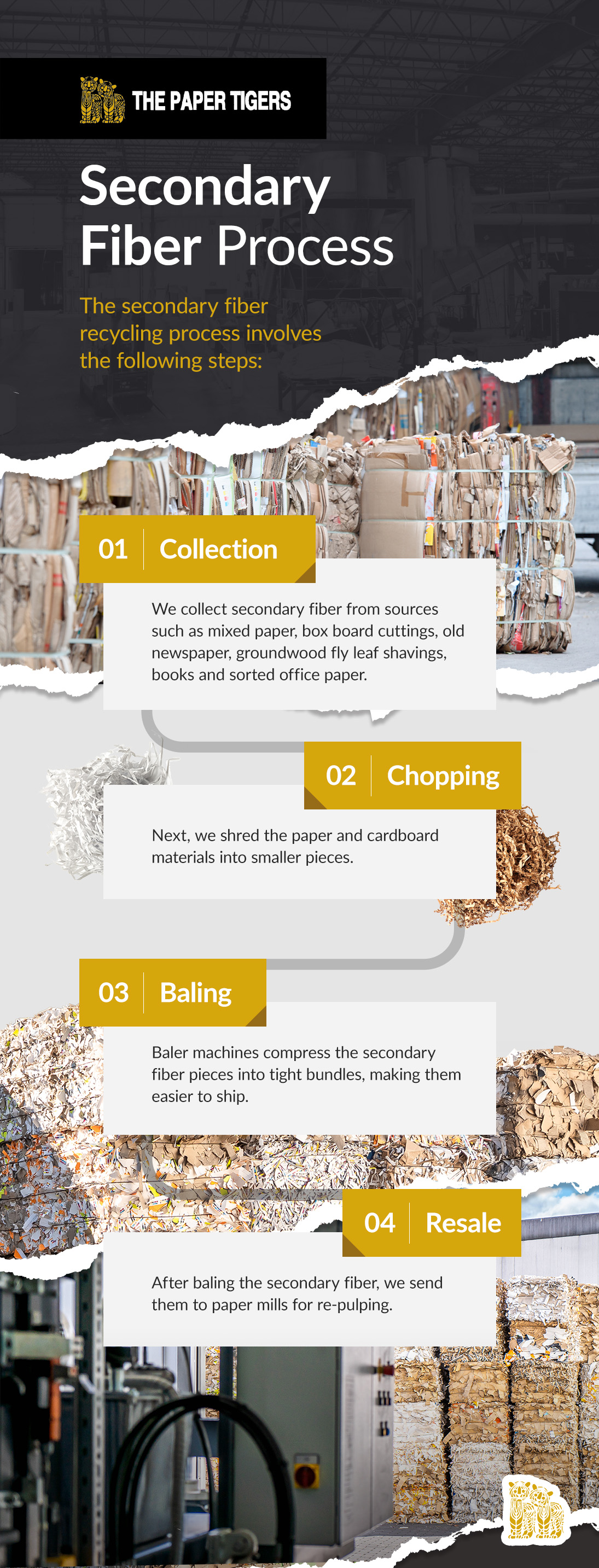
Secondary Fiber Supplier
Secondary Fiber is an integral part of our business at The Paper Tigers. We deal in every grade of wastepaper and secondary fiber, providing essential materials for paper mills. Our particular specialties are bleached board grades such as SBS (both printed and unprinted), uncoated and poly coated milk carton and aseptic packaging, uncoated and poly coated cup stock, box board cuttings, and plate stock, serving as raw material for various applications. From rolls to bales, domestically and internationally, The Paper Tigers supports your production process for high-quality bleached pulp substitutes.
Request a Quote for Secondary Fiber
Grades We Process
We process a wide range of grades of secondary fiber through our three recycling facilities. Below is a list of those grades and if you have any questions about our capabilities please reach out and we will answer any questions you may have.

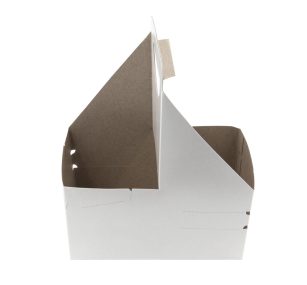


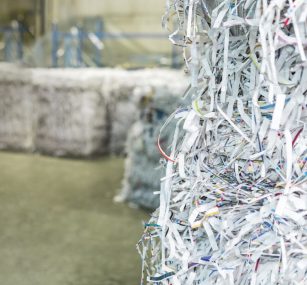
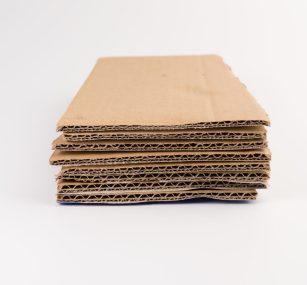
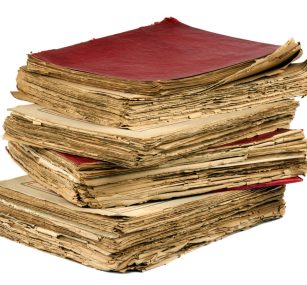


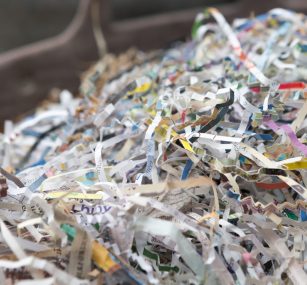




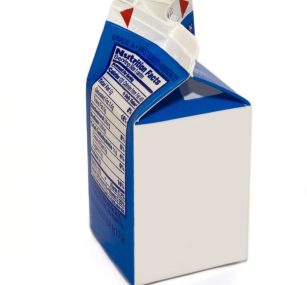
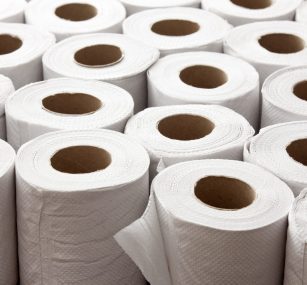

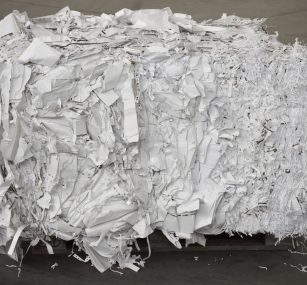
What Paper Mills Should Look for in Secondary Fiber
Paper mill procurement teams need more than the available material. They need a supplier that understands grade expectations, bale consistency, timing and how secondary fiber moves into the repulping process. The Paper Tigers works with paper mills and other buyers that need dependable access to wastepaper and secondary fiber grades in bale, roll and sheet form.
When evaluating suppliers, procurement teams should consider the grade offered, the form in which it is shipped, whether the material aligns with the mill’s pulping needs and whether the supplier can support repeat volume without causing unnecessary delays.
Quality and Specification Expectations
Each secondary fiber grade has different use cases and expectations. Printed SBS, Unprinted SBS, Hard White, Soft White, Printer’s Mix, Poly Cup, Poly Milk Carton and OCC do not all serve the same mill application. Review basis weight, surface type, coating, grade consistency, bale format and intended repulping use before committing to the material.
The Paper Tigers helps buyers talk through practical grade requirements to identify material that fits their production goals. Clear grade expectations up front help reduce confusion later in the buying process.
Sorting, Grade Separation, Contamination Controls and Bale Preparation
Strong secondary fiber programs depend on proper grade separation and contamination control. Procurement teams should ask how a supplier separates grades, handles mixed incoming material and prepares bales for shipment. These steps can affect how efficiently a mill receives, stores, evaluates and uses the material.
The Paper Tigers receives recyclable paper and paperboard, processes it through cutting and baling equipment and prepares it for shipment to paper mills and other buyers. This process helps turn loose or mixed incoming material into manageable bales that can be transported and reviewed more efficiently.
For mills, consistent bale preparation matters. Well-organized bales make it easier to plan receiving, storage and downstream use. That means fewer unknowns when comparing available grades.
Domestic and International Logistics
Secondary fiber buying often depends on timing and transportation. The Paper Tigers supports the domestic and international movement of material, helping customers evaluate volume, shipping format and delivery expectations. Some buyers need recurring volume for mill operations, while others may need specific grades when availability aligns with production demand.
Minimum volumes can vary by grade, form and shipping requirements. The best next step is to speak with the team about the grade you need, your target volume and your delivery location.
Grade-by-Grade Applications for Paper Mills
Different grades support different mill applications. Bleached board grades, such as Printed SBS and Unprinted SBS, may be valuable for bleached-pulp substitute applications. Poly Cup and Poly Milk Carton grades may support mills equipped to handle poly coated material. OCC, DLK, ONP and Mixed Paper are used across broader recovered fiber markets, depending on mill capabilities and end-product requirements.
If your team is comparing secondary fiber suppliers, The Paper Tigers can help you review available grades and determine whether a current material stream fits your mill’s needs. Contact The Paper Tigers or call (847) 919-6500 to discuss availability.

Learn More About Our Secondary Fiber Division
Contact Us Today!